


-

Add: HeBei ShengShi HongBang Cellulose Technology CO.,LTD.
-

Email
13180486930@163.com -

CONTACT US
+86 13180486930

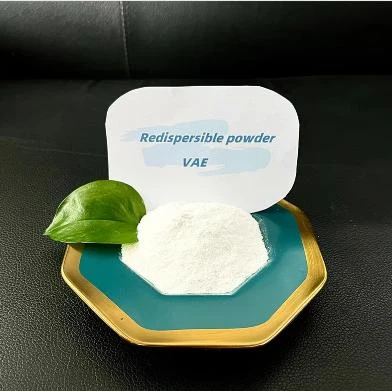
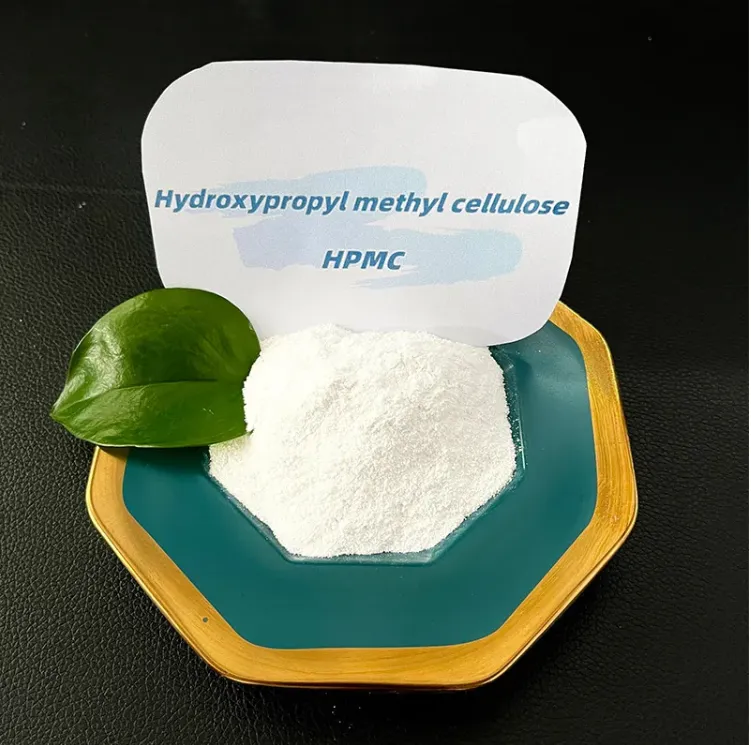

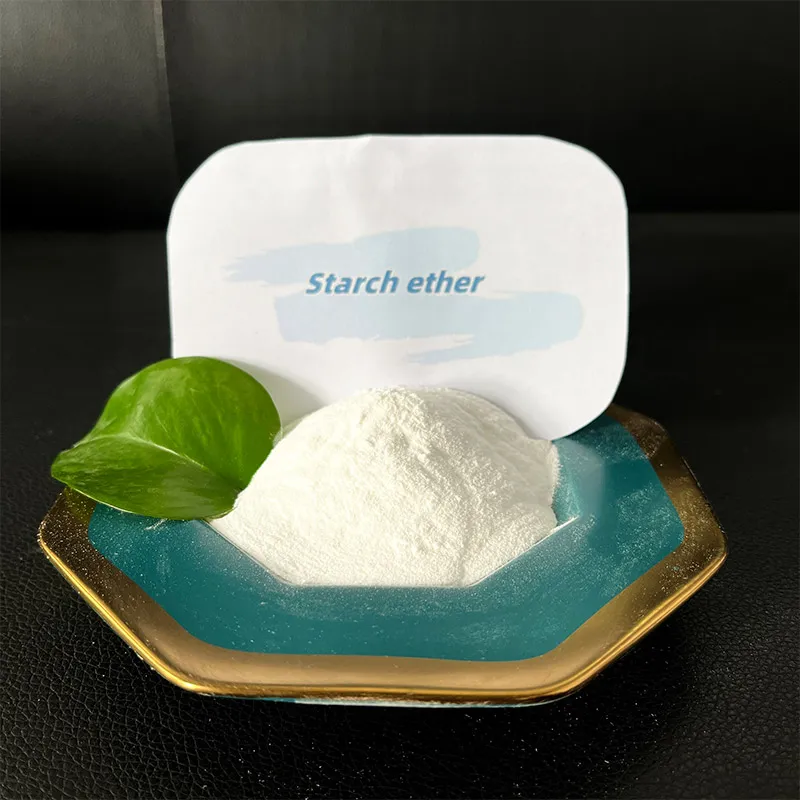


Hydroxypropyl Methylcellulose (HPMC) is gaining significant attention in the vegan and plant-based product sectors due to its versatile applications and alignment with consumer preferences for cruelty-free and sustainable products. As an industry expert with extensive experience in SEO optimization, understanding the nuances of promoting such vegan-friendly products online is instrumental for visibility and market success. HPMC, a plant-derived cellulose ether, is extensively utilized in food, pharmaceuticals, and cosmetic industries. Its derivation from natural sources, like wood pulp or cotton linters, ensures that it caters to the increasing demand for non-animal-based ingredients. Furthermore, being inherently non-toxic, biodegradable, and free from animal derivatives positions HPMC as an ideal choice for vegan product formulations, resonating with the ethical stance of conscious consumers. In enhancing online visibility for products containing HPMC, actual first-hand experiences provide an authentic narrative. For instance, numerous vegan product developers recount how incorporating HPMC improved texture and stability in products like vegan mayonnaise or dairy-free yogurts. The substance's film-forming capabilities and its ability to stabilize emulsions enhance mouthfeel and prevent phase separation, critical to consumer satisfaction. A culinary expert might highlight their successful experimentation with HPMC in creating a vegan whipped topping that retained its form without the use of gelatin or dairy, thus catering to both vegan and lactose-intolerant clientele. Specialists in food technology elaborate that the water retention properties of HPMC also prolong the shelf life of baked goods, an essential consideration for manufacturers aiming to reduce food waste. For example, vegan bread and pastries maintain moisture and softness longer, reducing spoilage and ensuring consistent quality even days after production. These insights not only showcase the ingredient's functionality but fortify its perceived value through expertise-driven content. Furthermore, an authoritative viewpoint on the technical aspects of HPMC can be illustrated by engaging with food scientists who scrutinize the ingredient's viscosity and gelation properties. Through experimental validation and peer-reviewed studies, they demonstrate how subtle modifications in HPMC concentration can tailor product consistency, catering to various textural preferences across different cuisines and cultures. This level of detail assures prospective manufacturers of the ingredient’s adaptability to a wide range of culinary applications, fostering confidence and trust. hpmc vegan Trustworthiness is also reinforced through transparency in sourcing and ecological impact. Suppliers adhering to sustainable practices in the production of HPMC can leverage this as a key differentiator . Documented supply chain accountability, certifications for responsible sourcing, and commitment to reducing carbon footprints resonate with environmentally conscious consumers, creating a trustworthy brand image. Incorporating this information within an SEO-optimized framework involves strategic use of keywords, authentic storytelling, and linking to reputable sources that validate claims. s and meta descriptions should succinctly reflect the vegan appeal and the technical benefits of HPMC, drawing potential customers into an immersive exploration of the product’s potential. Furthermore, implementing schema markup can help search engines crisply understand and present this content, enhancing click-through rates from search result pages. Engaging multimedia content such as tuturorial videos or infographics can also provide step-by-step guidance on HPMC integration in vegan formulations, further enhancing user engagement and reducing bounce rates. Such diverse content approaches ensure that the webpage appeals to a wide audience, from lay consumers interested in plant-based diets to industry professionals seeking to refine their product offerings. Ultimately, positioning HPMC as a valuable asset in vegan product development requires a concerted effort to communicate its benefits compellingly and authentically. Through a combination of personal anecdotes, expert insights, authoritative data, and trustworthy practices, the online presence of HPMC vegan products can be significantly bolstered, driving both awareness and adoption in a market eager for innovation and ethical integrity.
- 40000tons

Production
- 20+years

Experience
- 5000+㎡

Acreage

-
Navigating the ever-evolving world of skincare ingredients, one might stumble upon hydroxypropyl starch phosphate, a seemingly esoteric compound that has quietly begun to revolutionize the beauty industry. Often overshadowed by more market-friendly terms such as hyaluronic acid or niacinamide, hydroxypropyl starch phosphate offers unique properties that provide tangible benefits for skin health and beauty. The purpose of this exploration is to uncover its secret potential, establishing its rightful place among trusted skincare resources. Hydroxypropyl starch phosphate , a modified starch, is derived from naturally occurring corn or potato starch. Through chemical processes, this starch undergoes modification to become more functionally versatile, displaying excellent stability and compatibility with a wide range of cosmetic formulations. Starch, a known polysaccharide, is selected for transformation due to its pristine texture, sustainable production, and high dermal compatibility. The resultant compound serves as a thickening agent and stabilizer, contributing to a better product feel and extended shelf life. From a professional perspective, this ingredient's most remarkable feature is its ability to improve the sensorial aspect of cosmetic formulations. Thanks to its molecular structure, formulations incorporating hydroxypropyl starch phosphate provide a silky, smooth texture without any residual stickiness or tackiness. This characteristic is invaluable not only to formulators looking to enhance user experience but also to end-users who desire a luxurious application feeling. hydroxypropyl starch phosphate for skin Digging deeper into the expertise domain within cosmetic sciences, hydroxypropyl starch phosphate enhances the appearance and functionality balance in cosmetic products. It protects and hydrates the skin by forming a breathable barrier on the surface. This non-occlusive shield allows the skin to maintain moisture while protecting it from environmental stressors. Moreover, the presence of this ingredient boosts the efficacy and delivery of active ingredients. By improving formulation texture, active agents like antioxidants or vitamins do not face barrier challenges, ensuring they effectively reach skin tissues. The authority of hydroxypropyl starch phosphate lies in its growing acceptance in dermatology circles and its benefits validated by empirical evidence. Clinical studies emphasize its hypoallergenic nature, making it suitable for sensitive skin types—a major advantage for those facing notable skin reactions from other thickening agents. Its non-irritating profile
-
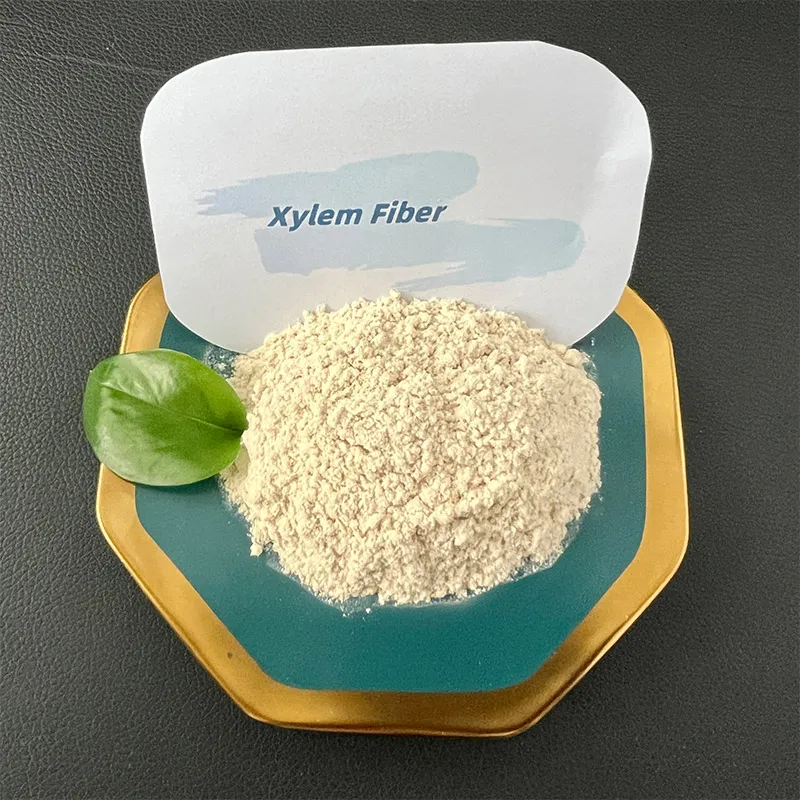
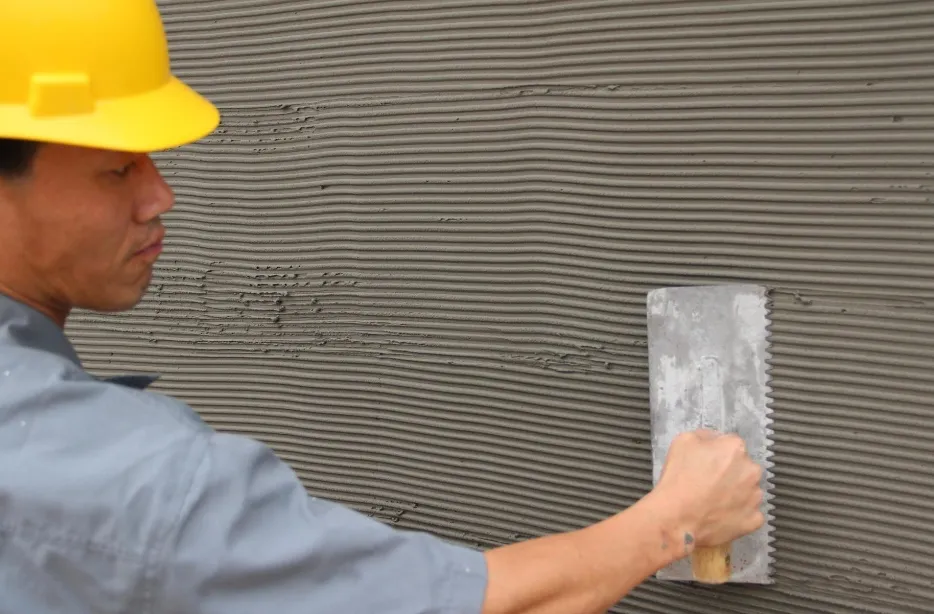
Hydroxypropyl methylcellulose (HPMC) has become a critical component in a range of construction materials due to its unique properties, such as water retention, improved adhesion, and enhanced workability. This versatile polymer is widely used in the manufacturing of tile adhesives, mortars, and plasters. As a hydroxypropylmethylcellulose supplier , it is crucial to provide high-quality products that meet the specific demands of modern building projects. In this article, we will explore the importance of hydroxypropyl methyl cellulose in building materials, especially in HPMC tile adhesive applications. Why Hydroxypropyl Methyl Cellulose is Essential in Construction Materials The role of hydroxypropyl methyl cellulose in construction cannot be overstated. As a water-soluble polymer, HPMC functions as an excellent binder in various construction mixtures. It improves the consistency and workability of materials, making them easier to apply. When mixed with water, hydroxypropyl methyl cellulose forms a gel-like consistency, which helps retain moisture for a longer period during the curing process. This is crucial for preventing premature drying and ensuring optimal bond strength in tile adhesives, plasters, and cement-based products. In addition, HPMC enhances the adhesion properties of HPMC tile adhesive , ensuring that tiles stick securely to surfaces and withstand environmental stresses such as temperature changes and humidity. The water retention capacity of hydroxypropyl methyl cellulose also ensures that the adhesive remains workable for a longer period, giving contractors enough time to position tiles accurately. The Key Benefits of Using Hydroxypropyl Methyl Cellulose in Tile Adhesives When it comes to HPMC tile adhesive , the benefits are numerous. First and foremost, hydroxypropyl methyl cellulose acts as a superior thickening agent. This property not only improves the application characteristics of tile adhesives but also prevents sagging when applied to vertical surfaces. The controlled viscosity of the product makes it easier to spread evenly and ensures better adhesion, which is essential for achieving a long-lasting bond. The improved open time is another critical advantage of hydroxypropyl methyl cellulose in tile adhesives. Open time refers to the time span during which the adhesive remains workable after being applied to a surface. By increasing the open time, HPMC allows for more flexibility in tile placement, reducing the chances of errors during installation. Additionally, hydroxypropyl methyl cellulose contributes to the flexibility and durability of tile adhesives. In areas with high foot traffic or fluctuating temperatures, tile adhesives need to be able to flex slightly to accommodate any movements in the underlying substrate. HPMC tile adhesive formulations with the right amount of hydroxypropyl methyl cellulose can resist cracking and maintain a strong bond, even under demanding conditions. How Hydroxypropylmethylcellulose Suppliers Ensure Quality and Consistency A reliable hydroxypropylmethylcellulose supplier plays a vital role in ensuring that building materials are of the highest quality and consistency. Manufacturers rely on suppliers to deliver products that meet industry standards and specific performance requirements. The quality of hydroxypropyl methyl cellulose can vary depending on the raw materials used, the manufacturing process, and the supplier's expertise. Top-tier hydroxypropylmethylcellulose suppliers ensure the consistency of their products through rigorous quality control measures, which include tests for particle size distribution, viscosity, and water retention properties. By maintaining strict control over production, these suppliers can provide construction companies with reliable and uniform materials that perform consistently across various projects. Working closely with trusted hydroxypropylmethylcellulose suppliers also means access to customized solutions. Different types of hydroxypropyl methyl cellulose are used in different applications, and some may be more suited to specific climate conditions or surface types. A supplier who understands the diverse needs of their clients can recommend the right grade of HPMC for each unique application, ensuring the best possible results for tile adhesives and other building materials. The Future of Hydroxypropyl Methyl Cellulose in Building Materials As the construction industry evolves, the demand for high-performance, sustainable building materials continues to rise. The use of hydroxypropyl methyl cellulose in tile adhesives and other construction products is expected to grow, driven by the need for more efficient, durable, and eco-friendly solutions. Manufacturers and hydroxypropylmethylcellulose suppliers are continuously working on enhancing the properties of HPMC to meet these demands. Research into the sustainable production of hydroxypropyl methyl cellulose is also gaining traction. By reducing the environmental impact of its production and sourcing raw materials responsibly, HPMC producers are helping to promote more sustainable construction practices. Additionally, innovations in HPMC tile adhesive formulations are likely to lead to even better performance, such as adhesives with superior flexibility, faster curing times, and enhanced resistance to environmental stressors. As the construction industry looks to the future, hydroxypropyl methyl cellulose will continue to be a key ingredient in the development of high-quality building materials, with an emphasis on performance, sustainability, and cost-effectiveness. H ydroxypropyl methyl cellulose is an indispensable component in modern construction materials, particularly in HPMC tile adhesive applications. Its ability to improve workability, enhance adhesion, and retain moisture makes it a key ingredient for achieving durable, high-performance building materials. Working with a trusted hydroxypropylmethylcellulose supplier ensures that construction companies have access to consistent, high-quality materials that meet the demands of both current and future projects. As the construction industry continues to innovate, the role of hydroxypropyl methyl cellulose in building materials will undoubtedly remain central to the development of advanced and sustainable construction solutions.
advantages
-

200000 Viscosities
Excellent product
We can produce pure products up to 200,000 viscosities
-

40000 tons
High yield
We don’t stop production all year round, and the annual output can reach 40,000 tons
-

24 hours
Quality service
We provide 24-hours online reception service, welcome to consult at any time
———— Inquiry Form
Schedule A services
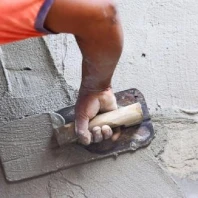
-
 fully_synthetic_fibre
Oct . 25, 2025
Hydroxypropyl methylcellulose , commonly known as HPMC, is a versatile compound extensively utilized -
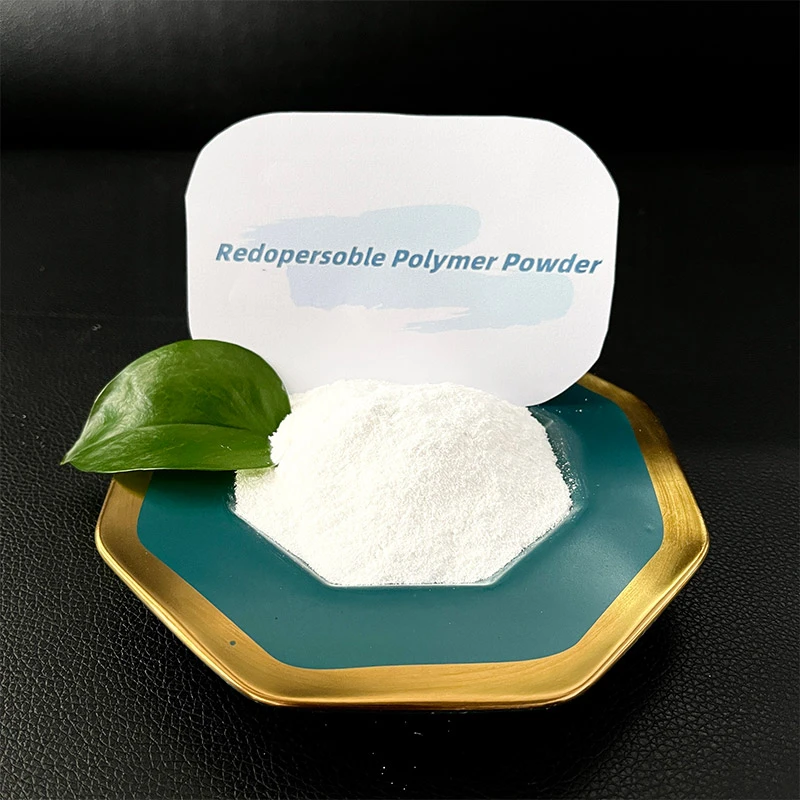 hydroxypropyl_methylcellulose_e5
Oct . 25, 2025
In the rapidly evolving world of construction and pharmaceuticals, the rising star of sustainable ma -
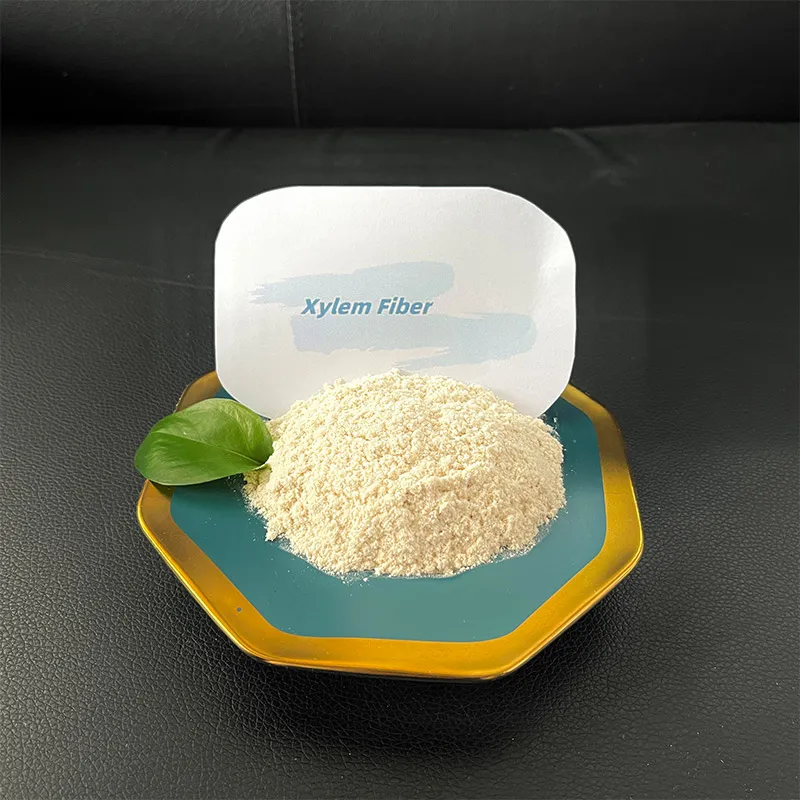 lignin_and_cellulose_in_wood
Oct . 25, 2025
Le HPMC 606, connu sous le nom de hydroxypropylmethylcellulose, est un polymère essentiel dans nombr


